STORY
I was diagnosed with PCOS, endometriosis, and submucosal fibroids, and underwent laparoscopic surgery to remove ovarian cysts following ovarian torsion. At the time, I was told my chances of becoming pregnant were low, and a hysterectomy might be necessary depending on what surgeons found.
That moment changed how I understood my fertility. What followed was not a clear or linear process, but a prolonged period of navigating fragmented medical opinions, complex information, differing approaches to treatment, and deeply consequential decisions, without always knowing what truly applied to my own situation.
Although I was receiving medical care throughout diagnosis and treatment, there was little space to step back and understand the broader picture—what the options meant in practice, how different approaches compared, how clinics and treatment pathways differed, how to navigate complex decisions, or how to assess the wider emotional, practical, cultural, and logistical realities surrounding the process. Much of the process felt isolating, not because support didn’t exist, but because it wasn’t structured in a way that helped me meaningfully assess my own situation.
Over time, I approached the process more deliberately. I made significant adjustments—physically, emotionally, and practically—in preparation for treatment. This included changes to my lifestyle, but also a shift in how I engaged with the process itself, asking more precise questions and confronting decisions that are often deeply personal, culturally sensitive, ethically complex, and rarely discussed openly.
What became important was not just the medical pathway, but understanding my own position within it—what the options meant for me, what I was prepared to pursue, and how those decisions fitted within my wider circumstances.
I ultimately became pregnant through IVF in my forties. It was not a straightforward pregnancy. It required close monitoring, with periods of uncertainty and emergency hospital admissions along the way.
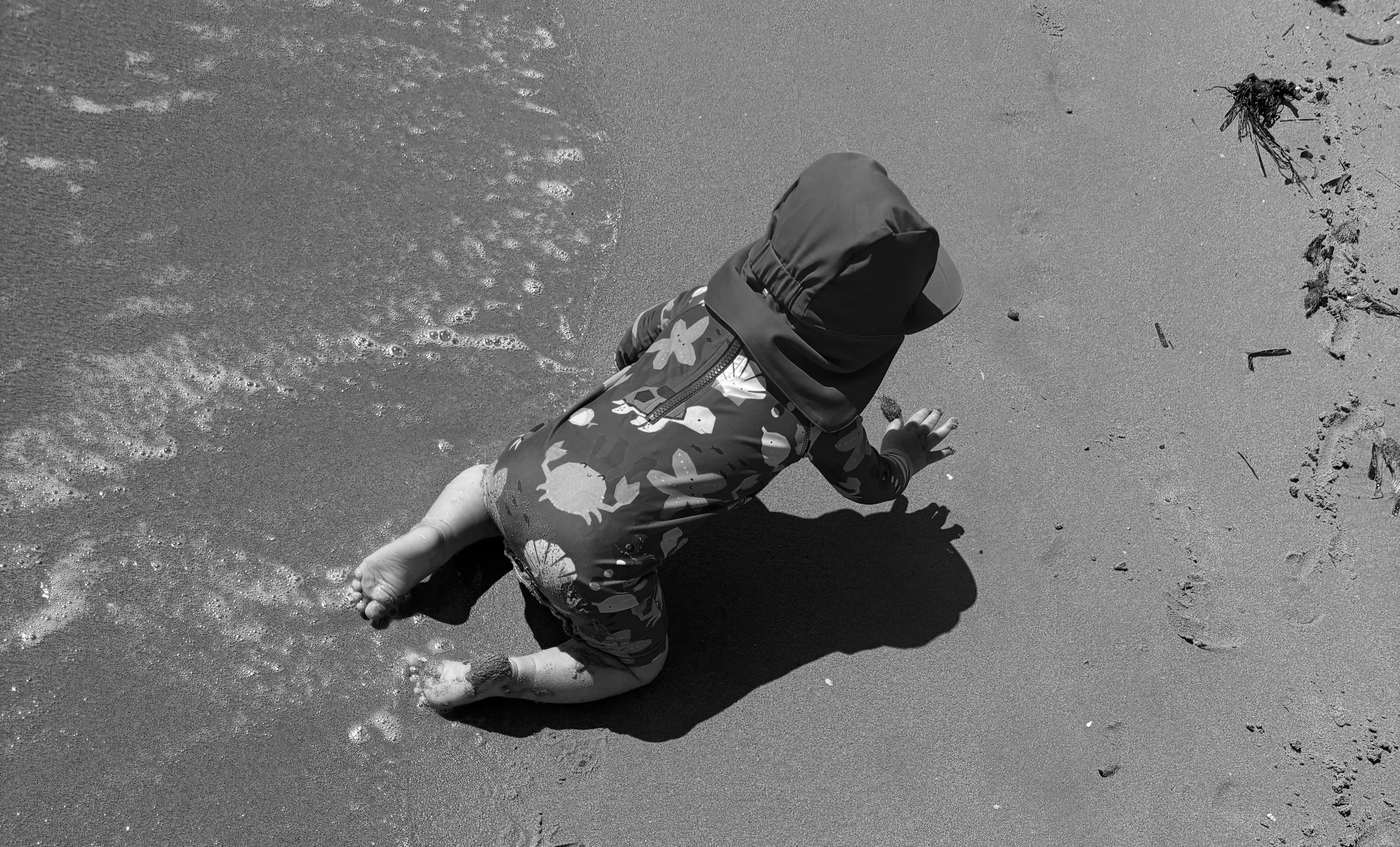
In the end, I delivered via emergency Caesarean section, and my child was born healthy—something that had once felt far from certain.
I recovered well and remain in good health.
What stayed with me from that experience was how difficult it can be to navigate fertility treatment without a clear, structured way to process the decisions involved—even with medical care in place.
It shaped how I now approach this work: helping others step back, assess their situation more clearly, navigate complex fertility and reproductive decisions, and move through the process with greater clarity, perspective, and confidence.